

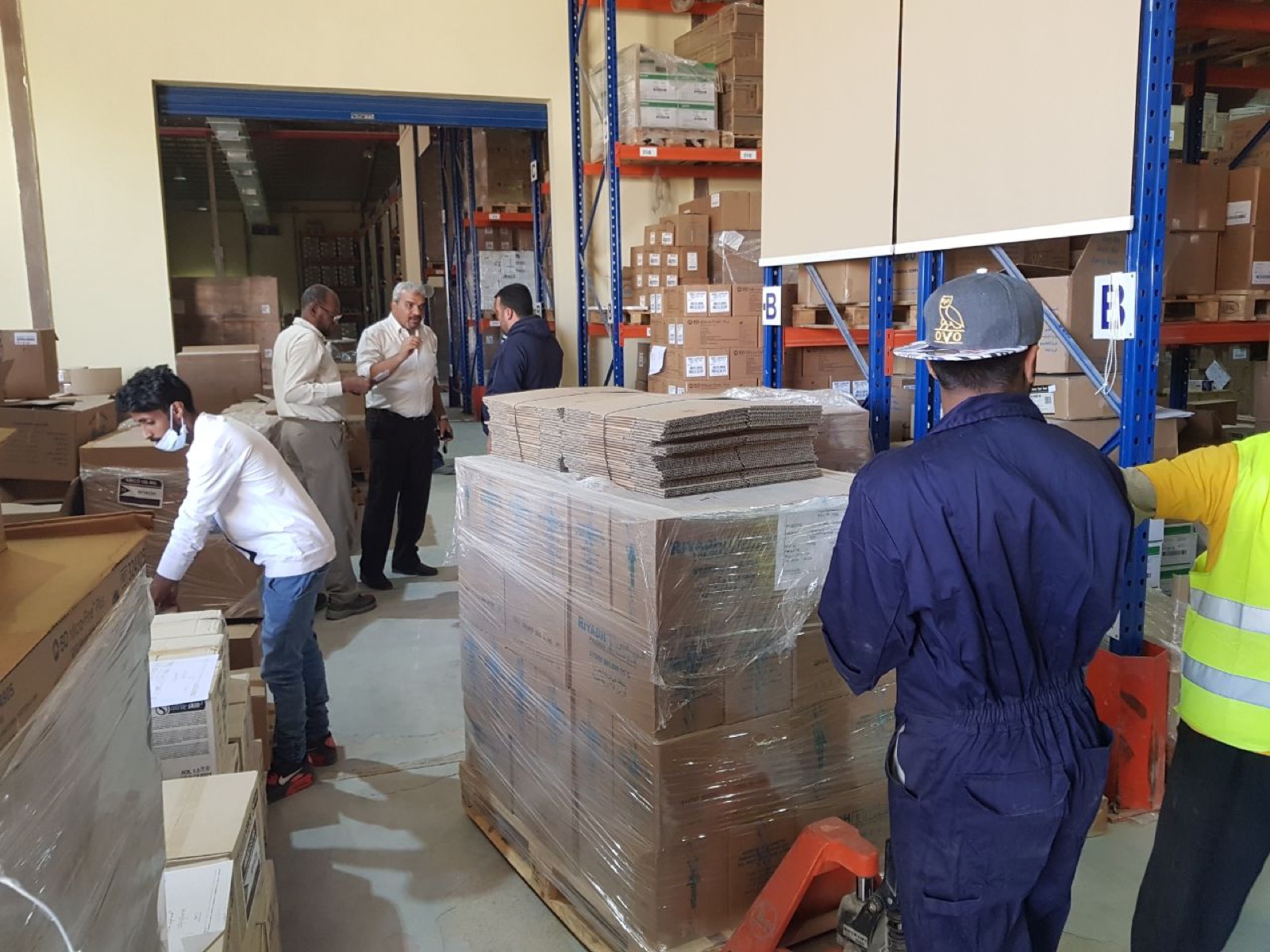
Why Your Stocktake Belongs in Independent Hands
When a warehouse team counts its own stock, it is auditing its own work. Here is why auditors insist on an independent party — and what actually changes in the numbers.
Read Article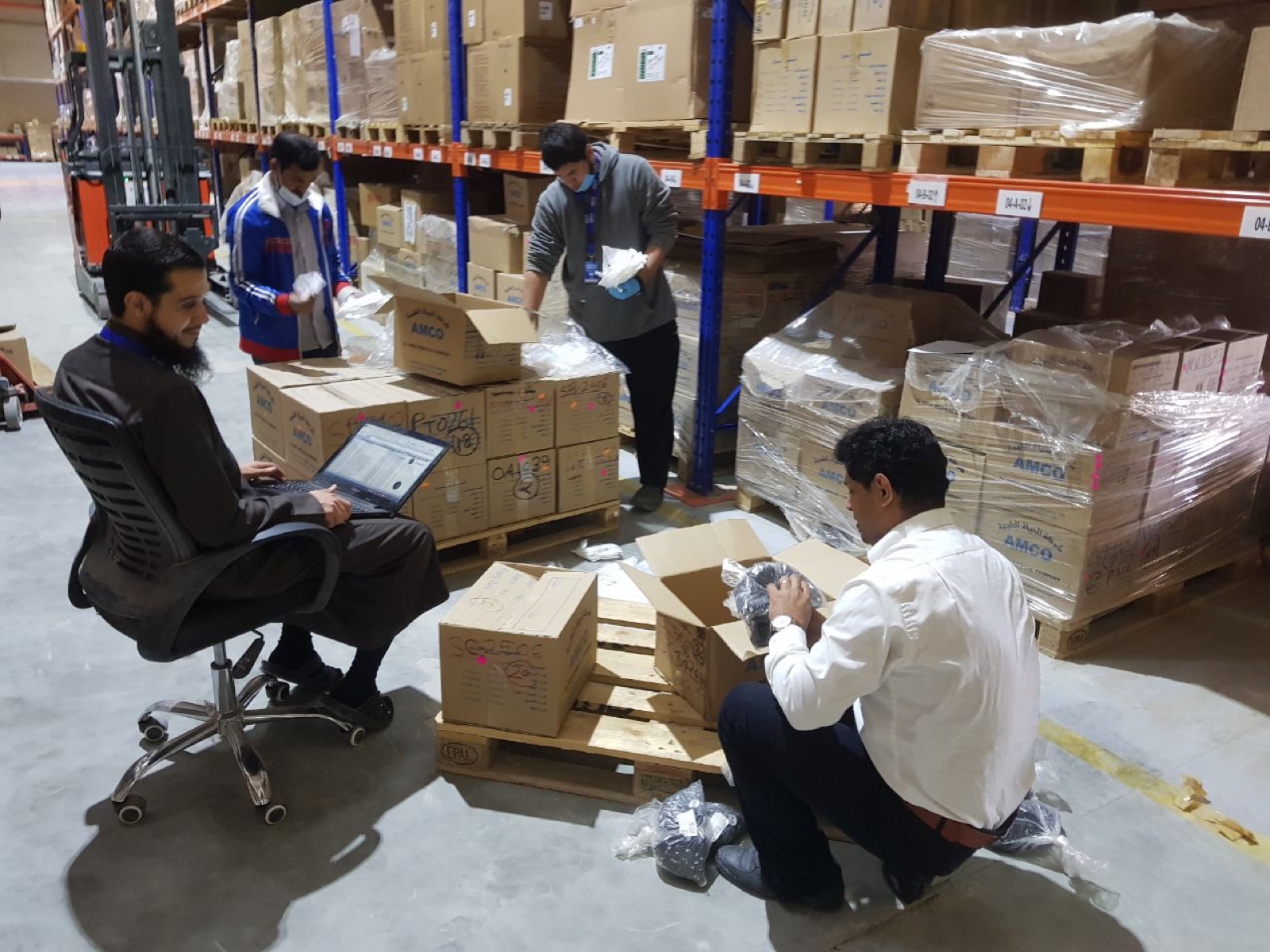
There is no warehouse that does not know the FIFO principle (first in, first out), and no pharmaceutical or food warehouse that does not know FEFO (first expired, first out). Yet damaged and expired stock appears in every count. Why?
When new goods are stored in front of older ones in the same location, you are asking the operative to make an extra effort in order to follow the rule. And a rule that demands extra effort is not followed consistently.
The fix is a design fix, not a training one: storage locations that allow loading from one side and picking from the opposite side, or separate locations allocated to different batches.
If the system knows only the quantity, with no receipt date or batch number, there is no way to tell which units are older. Batch/lot tracking is not a luxury in shelf-life sectors — it is a basic requirement.
What is not measured is not done. Measure the proportion of items picked in the correct sequence, and the ratio of damaged stock to total inventory, monthly. When the figure appears in a report that gets discussed, behaviour changes.
With shelf-life goods, the oldest receipt is not necessarily the nearest expiry. Pharmaceuticals, food and chemicals are always managed under FEFO — and confusing the two carries a direct cost in write-offs.
United Integrated Team
When a warehouse team counts its own stock, it is auditing its own work. Here is why auditors insist on an independent party — and what actually changes in the numbers.
Read Article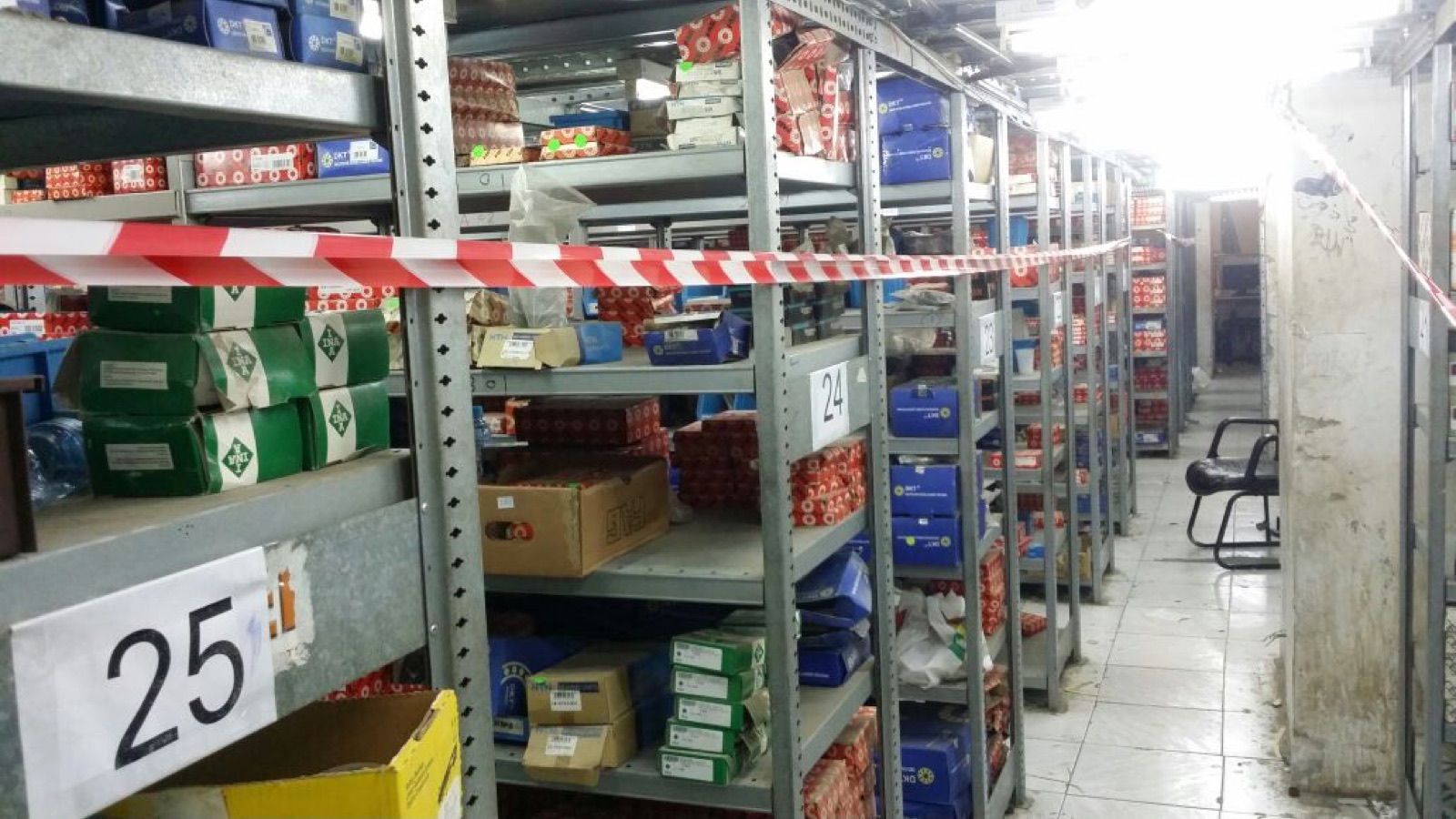
Twenty per cent of your SKUs account for eighty per cent of your movement. ABC analysis is how that rule of thumb turns into concrete decisions about storage locations and counting schedules.
Read Article
Many WMS projects fail not because the system is poor, but because the warehouse was not ready for it. These five questions expose your readiness before you sign the contract.
Read ArticleBook an initial consultation with the United Integrated team — we listen to your challenges and map the fastest route to lower costs and higher accuracy.