

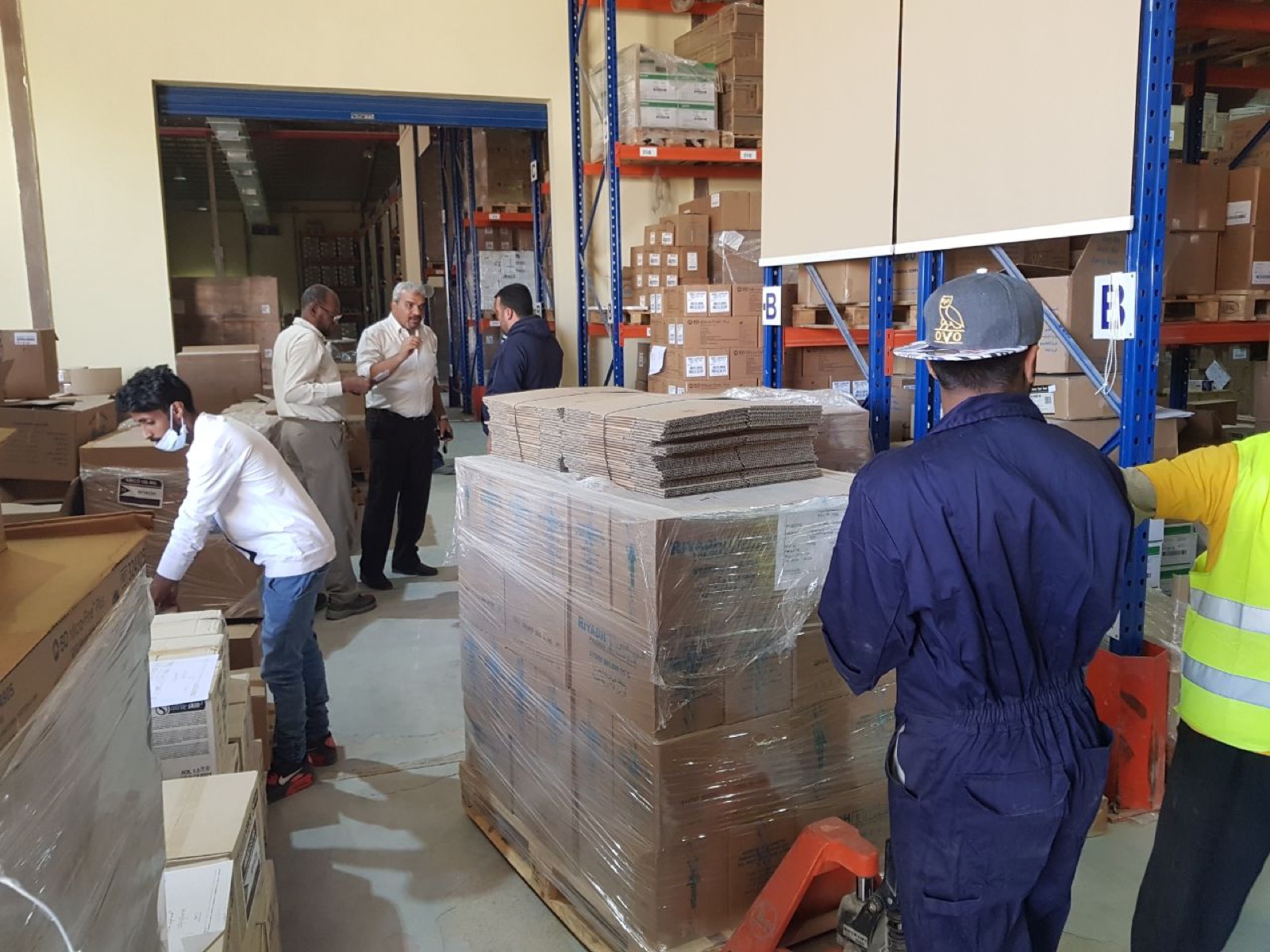
Why Your Stocktake Belongs in Independent Hands
When a warehouse team counts its own stock, it is auditing its own work. Here is why auditors insist on an independent party — and what actually changes in the numbers.
Read Article
The gap between physical and book stock is not just a figure in a report — it is an unnecessary purchase, a late customer order and an inaccurate set of accounts. Here we work out the real cost.
When a stocktake report shows a 3% variance between physical and book stock, many managers are inclined to treat it as an acceptable figure. But in a warehouse holding SAR 10 million of inventory, that percentage means a gap of SAR 300,000 that nobody can account for.
When the system shows less stock than is actually held, a purchase order is raised for an item already sitting on the shelf. Capital is tied up, storage space is consumed, and the stock is exposed to obsolescence.
The reverse is more dangerous: the system says the item is available, so the customer is promised a delivery date — and then the shelf turns out to be empty. The cost here is not only financial; it is customer trust.
Inventory is an asset line on the balance sheet. Any flaw in its valuation feeds straight through to the financial statements and to shareholder decisions — which puts the finance function in an awkward position in front of the auditors.
A system does not correct a faulty practice — it documents it more precisely. If goods are received without a proper match, or an issue is recorded hours after the stock has physically left, the system will record the error with complete fidelity.
Start with an independent diagnostic count that establishes the size of the gap and its sources, then fix the procedures that produced it, and finally lock in the result with a cycle counting programme that stops variances building up again.
United Integrated Team
When a warehouse team counts its own stock, it is auditing its own work. Here is why auditors insist on an independent party — and what actually changes in the numbers.
Read Article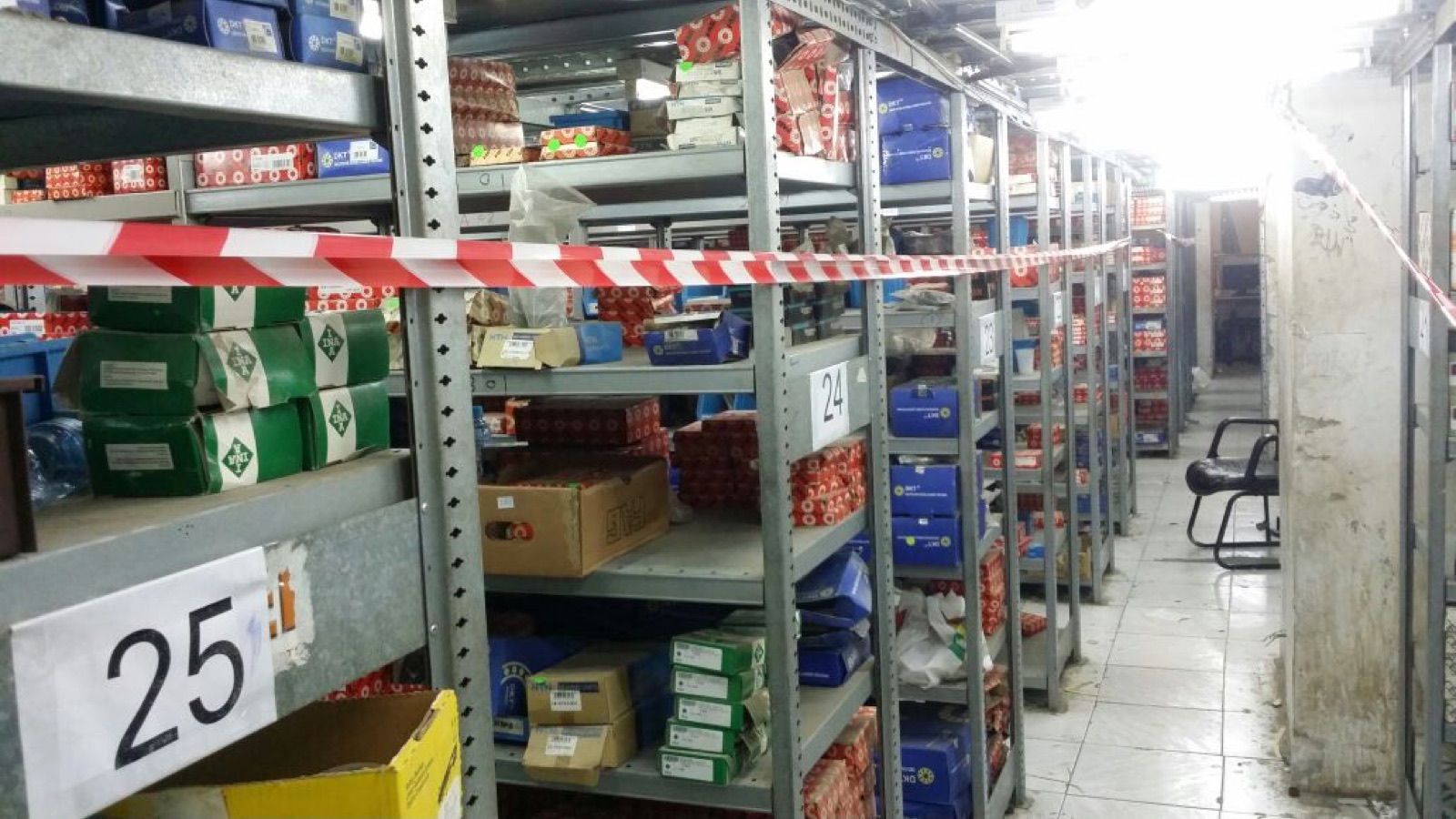
Twenty per cent of your SKUs account for eighty per cent of your movement. ABC analysis is how that rule of thumb turns into concrete decisions about storage locations and counting schedules.
Read Article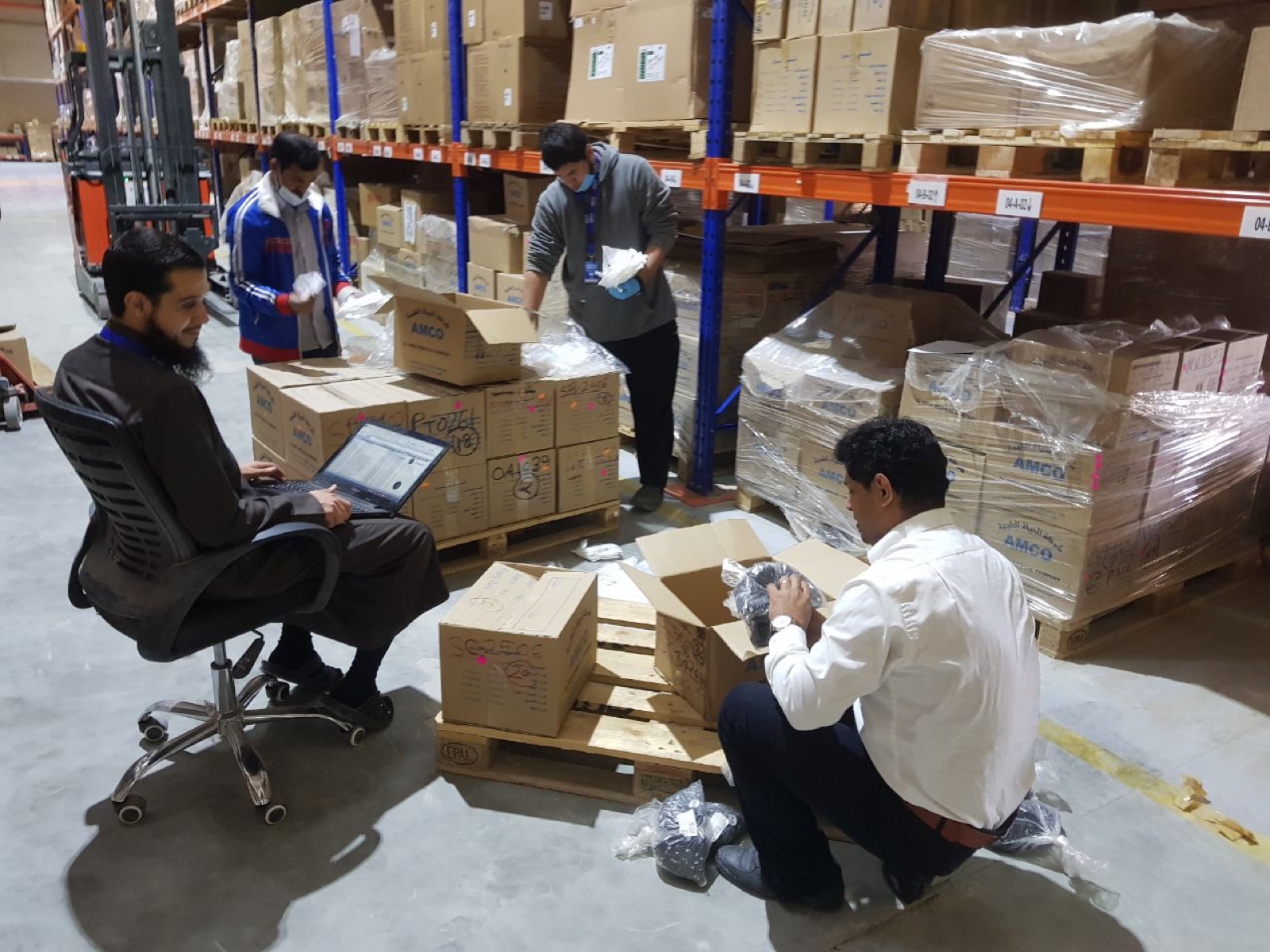
Every warehouse knows "first in, first out". Yet damaged and expired stock turns up in almost every count. The problem is not the rule — it is the design.
Read ArticleBook an initial consultation with the United Integrated team — we listen to your challenges and map the fastest route to lower costs and higher accuracy.