

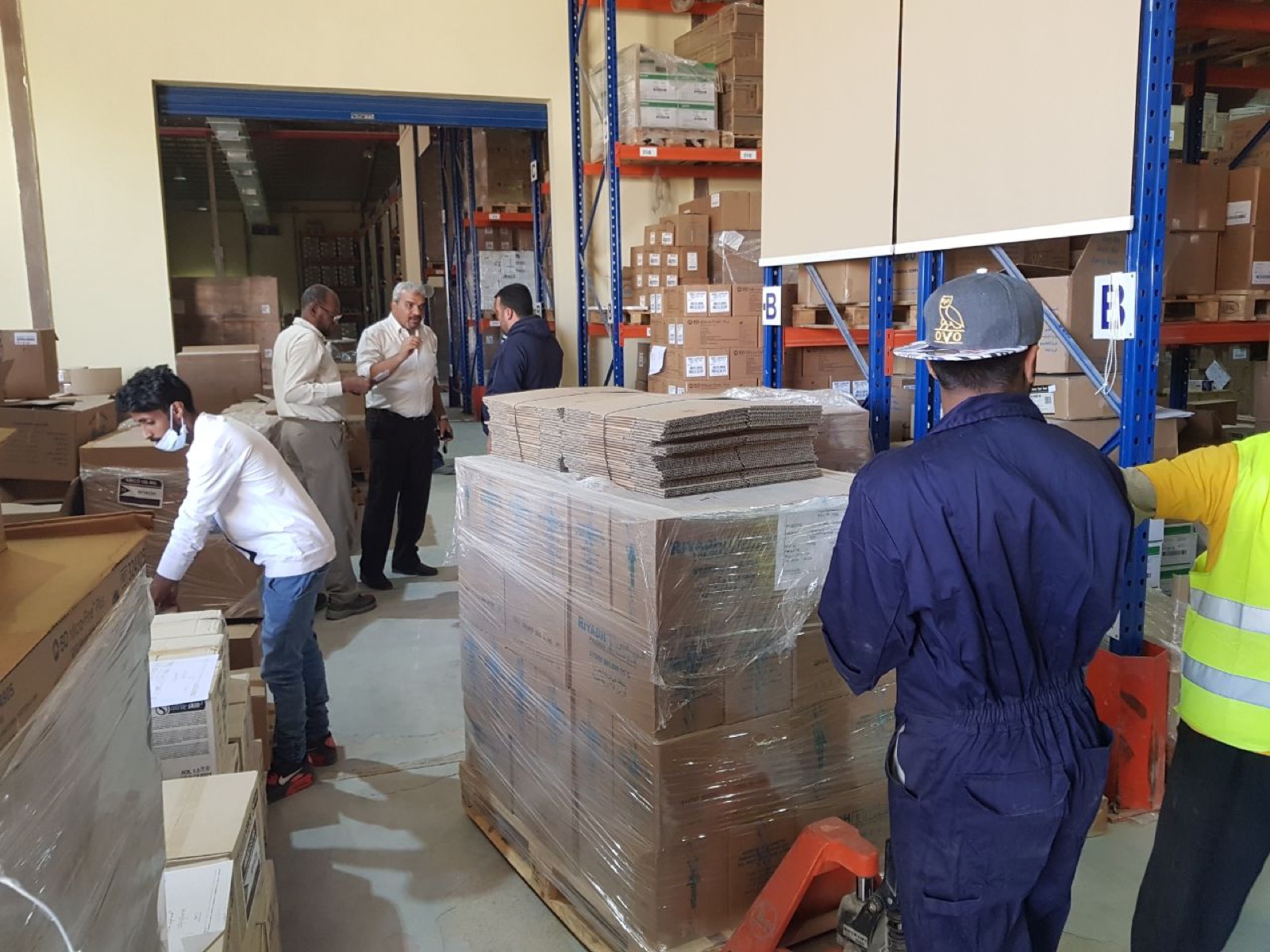
Why Your Stocktake Belongs in Independent Hands
When a warehouse team counts its own stock, it is auditing its own work. Here is why auditors insist on an independent party — and what actually changes in the numbers.
Read Article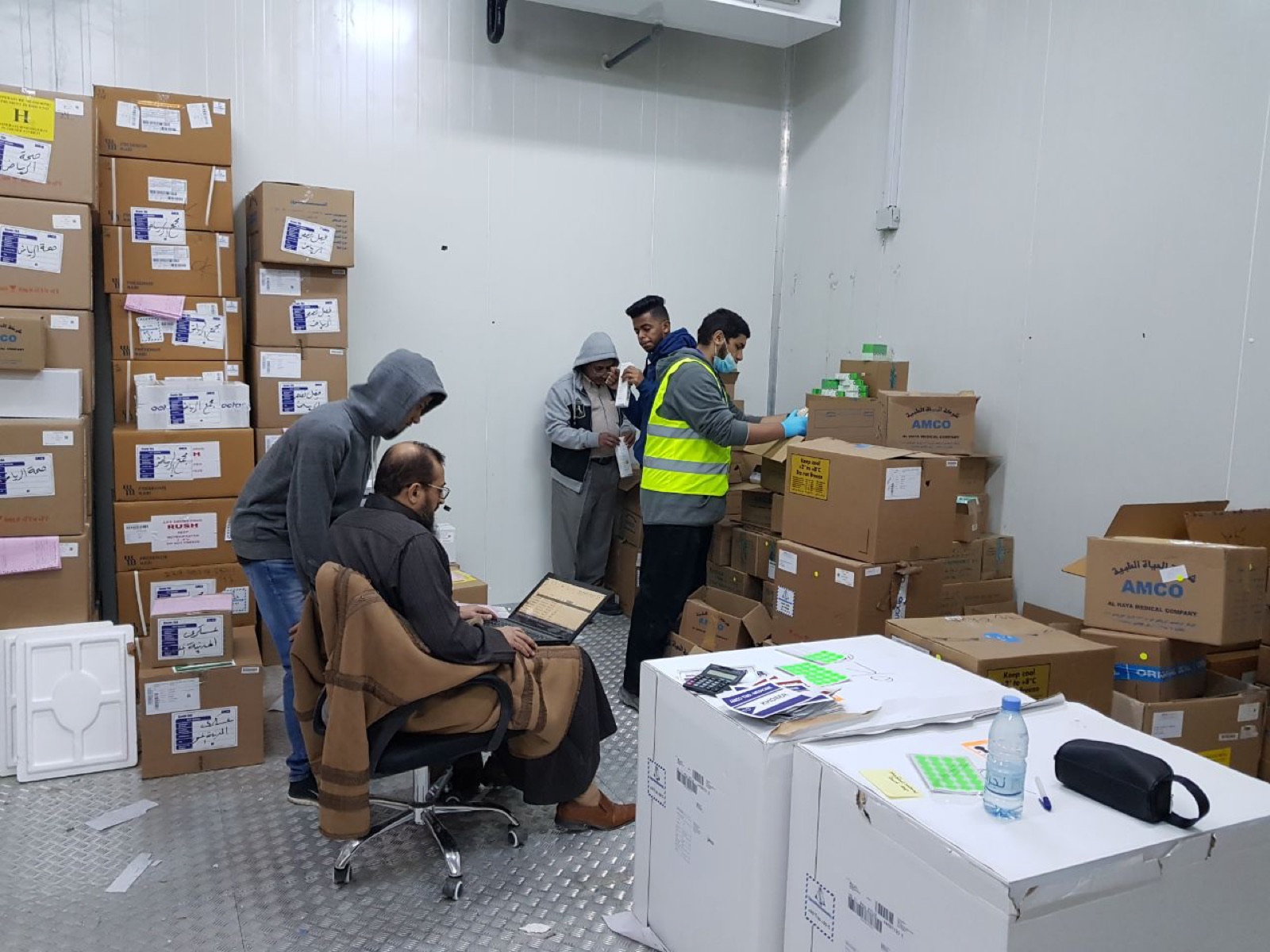
If one absent employee throws your warehouse into disarray, you do not have a system — you have people. Standard operating procedures are what turn individual experience into an institutional asset.
Ask yourself: if your warehouse supervisor were away for a week, how much work would grind to a halt? If the answer is "a great deal", then the knowledge in your warehouse is stored in people's heads rather than in the way the operation works.
They are not a file in a manager's drawer. They are a written, concise description of every recurring process: who performs it, through which steps, with which document, and what counts as completing it correctly.
For two recurring reasons: they are written in management language that the people carrying out the work do not read, and they are not tied to any follow-up. A procedure whose compliance is never reviewed becomes, within months, a historical document.
Do not try to document everything at once. Pick the process where errors recur most, document it on a single page, train people on it, and measure the effect for a month. Then move on to the next.
United Integrated Team
When a warehouse team counts its own stock, it is auditing its own work. Here is why auditors insist on an independent party — and what actually changes in the numbers.
Read Article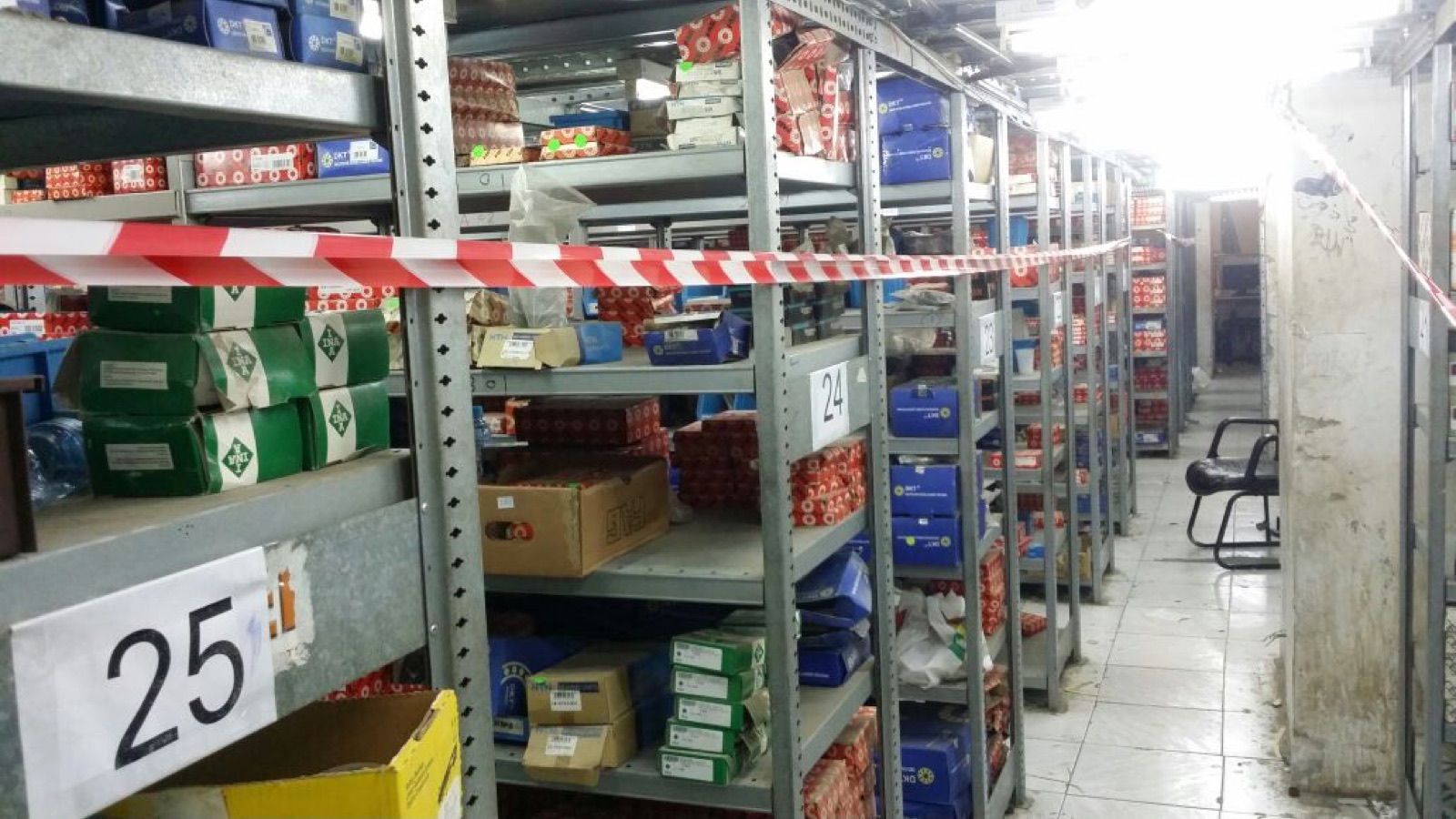
Twenty per cent of your SKUs account for eighty per cent of your movement. ABC analysis is how that rule of thumb turns into concrete decisions about storage locations and counting schedules.
Read Article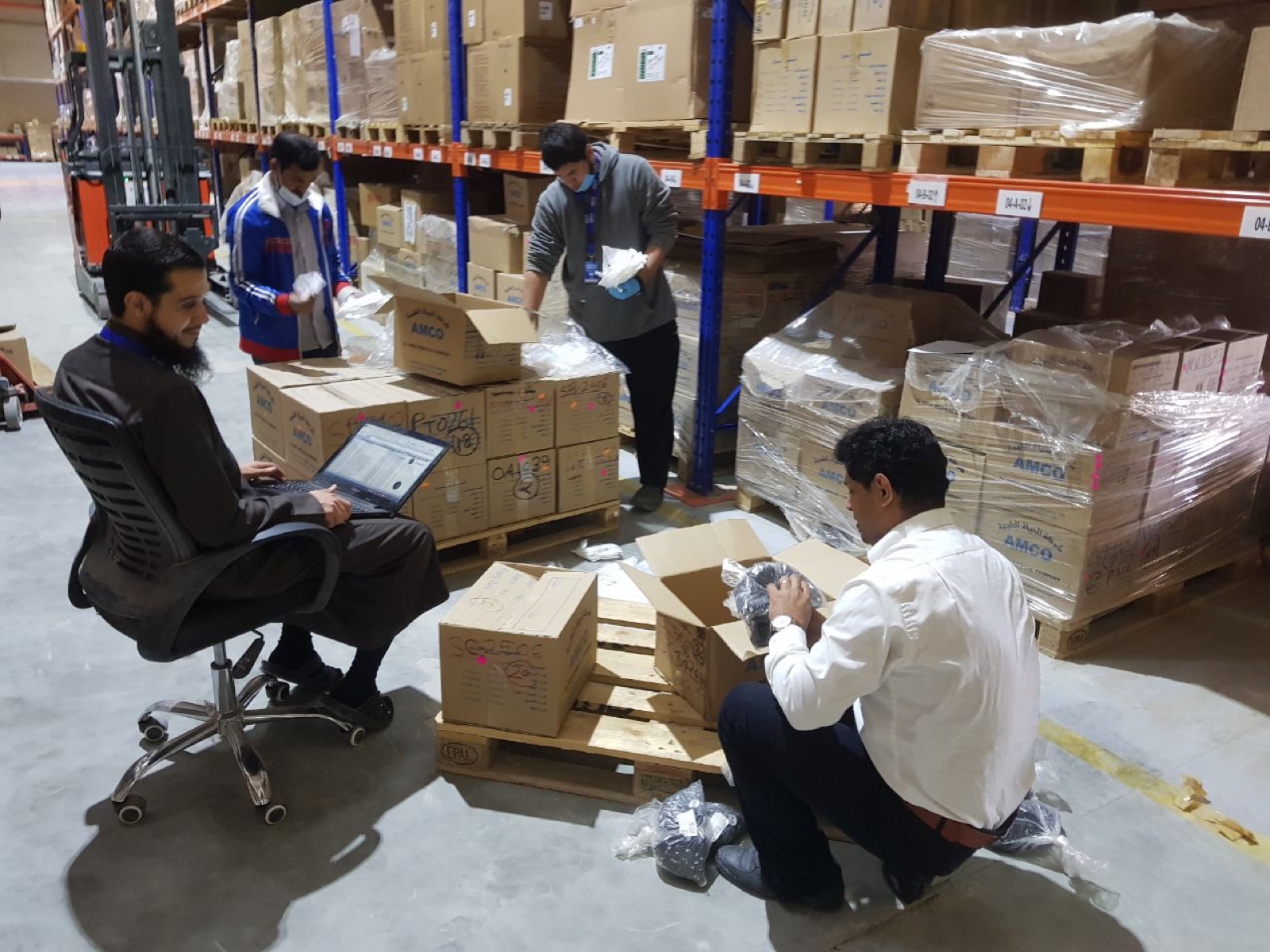
Every warehouse knows "first in, first out". Yet damaged and expired stock turns up in almost every count. The problem is not the rule — it is the design.
Read ArticleBook an initial consultation with the United Integrated team — we listen to your challenges and map the fastest route to lower costs and higher accuracy.